
Restoration Pro LA loading icon

Torrance Restoration Services

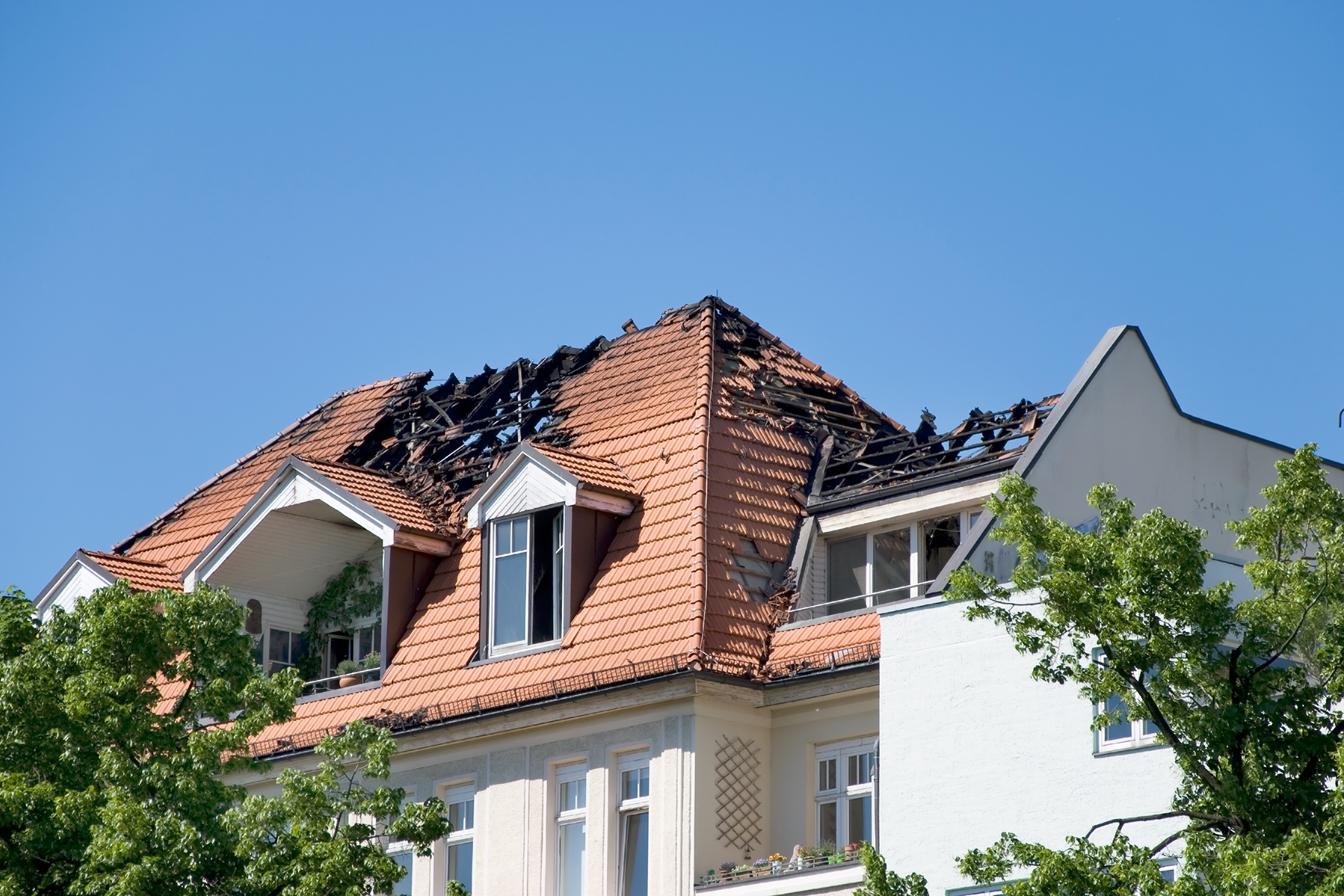
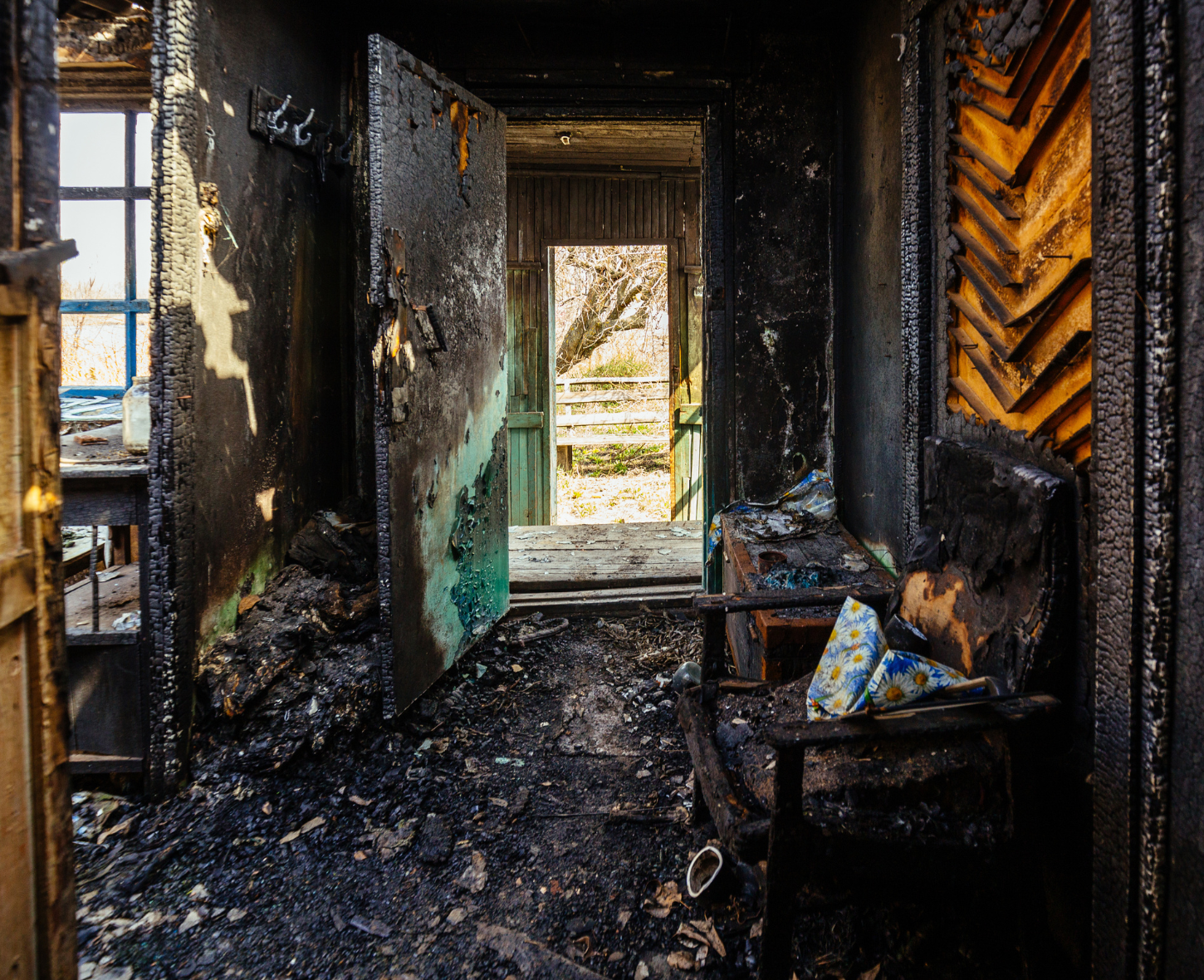
Fire damage restoration cleanup in Los Angeles home

A Clearer Path to Recovery in Torrance

A leak, fire, or moisture discovery can interrupt daily life in minutes. Restoration Pro LA helps Torrance property owners move from uncertainty to an organized response, with attention to safety, contamination control, drying, odor treatment, and the needs of suburban homes, industrial facilities, medical offices, and retail centers.
From Emergency Mitigation to a Clean Recovery in Torrance

In this part of Southern California, losses may involve supply-line failures, roof drainage issues, appliance leaks, and moisture spreading through large floor plans. Restoration planning accounts for how the incident began, which materials are affected, and whether occupants or business operations must remain protected while cleanup proceeds. For a Torrance property, the goal is not simply to make the surface look dry. Air movement, dehumidification, cleaning, and verification work together to return the space to a stable condition. When repairs are needed, clear documentation makes the transition from mitigation to reconstruction easier to understand.

Fire damage restoration cleanup in Los Angeles home
Restoration FAQ decorative shape
Restoration professionals working
Restoration Pro LA FAQ section
restoration hand icon
Emergency Restoration Guidance for Torrance

Helpful Details About the Torrance Recovery Process

Water in a Torrance building can move below flooring, behind baseboards, and into insulation even when the visible puddle is gone. Professional drying uses targeted airflow and dehumidification, with repeated measurements to determine whether concealed materials are actually returning to an acceptable condition.

After a Torrance fire, smoke can carry fine residue into porous finishes, cabinets, ventilation paths, and contents. Cleaning methods are selected for each surface, while filtration and odor-control steps address particles and compounds that ordinary wiping or fragrance products leave behind.

For a loss in Torrance, photos, moisture logs, inventories, work notes, and estimates create a chronological record. Coverage decisions belong to the insurer, but organized documentation can make the cause, extent, and completed mitigation work easier for an adjuster to review.

At a Torrance site, materials are kept when they can be cleaned, dried, and returned to a stable condition. Porous items with severe contamination or irreversible damage may require removal. The decision depends on exposure category, material condition, safety, and restoration cost rather than appearance alone.

Protect people first. Avoid standing water, unstable ceilings, active electrical hazards, and heavily contaminated areas. If it is safe, stop the source and call for assistance. For a Torrance loss, note when the incident was discovered and photograph accessible damage without disturbing hazardous materials.

At a Torrance property, the first visit establishes the source, safety conditions, affected materials, and likely spread. Moisture readings, visual observations, and photographs help define the scope. The crew can then explain immediate stabilization steps and what should happen after the emergency phase.